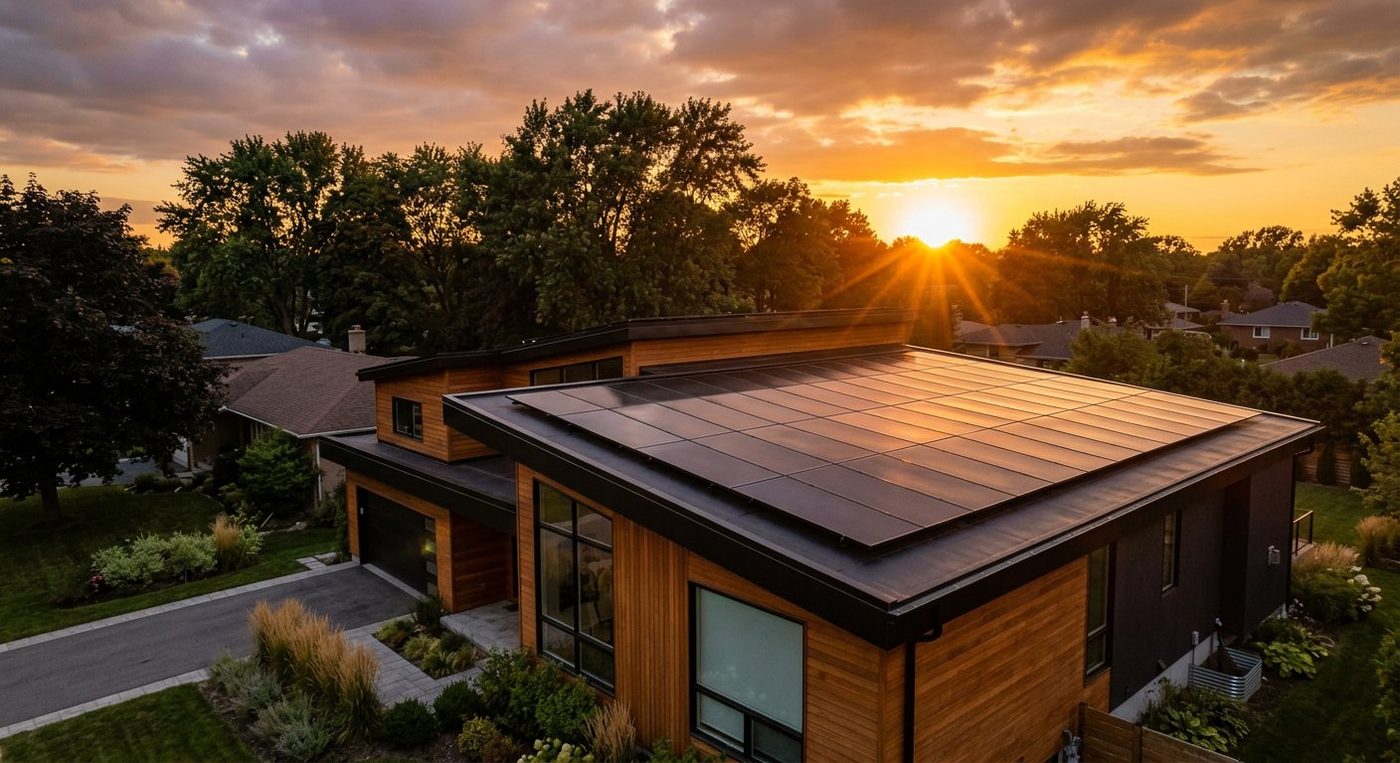
Solar is exciting because it changes a monthly bill into an asset. It is also, unavoidably, a roof project — and the decisions that determine whether you are delighted or disappointed in ten years are made before a single panel goes up.
Treat it as a roof project first
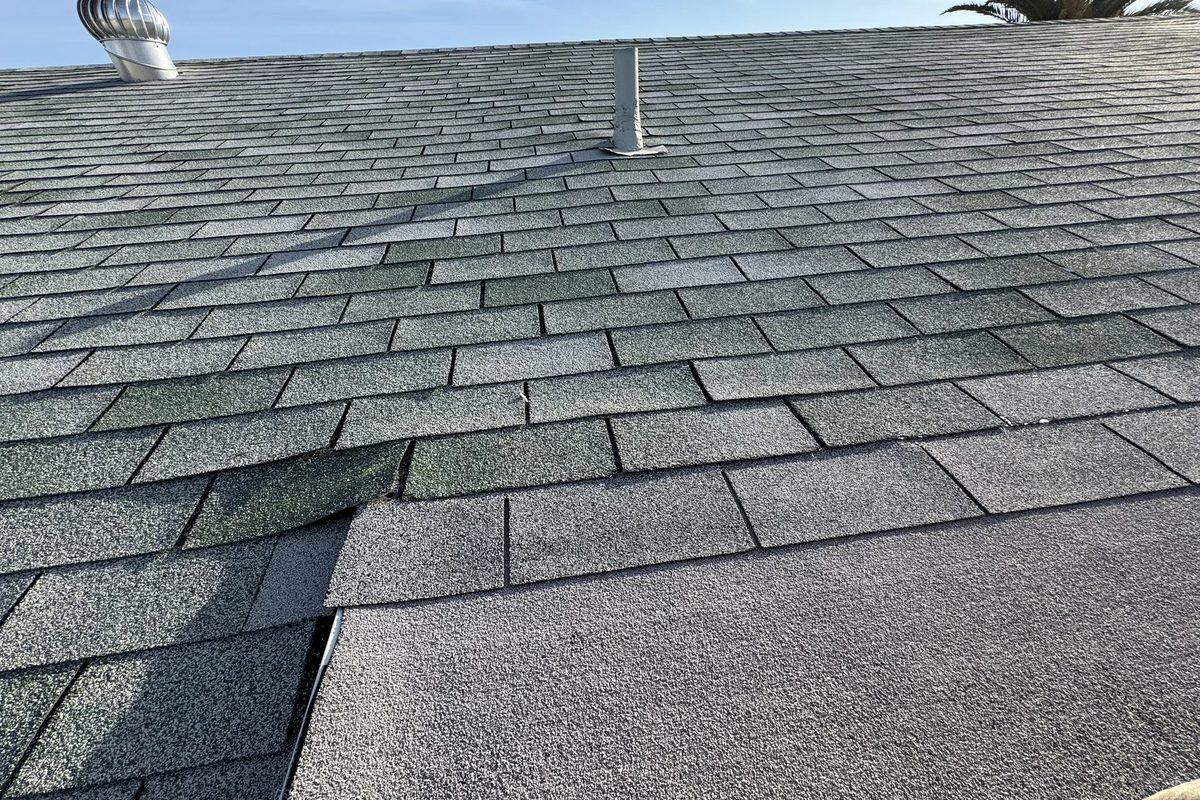
Panels are designed to sit for decades. Your roof has to outlast them, or the array has to be removable without damaging the covering. Before design work starts, we answer two questions honestly: how much serviceable life is left in this roof, and is the decking solid enough to accept mounting hardware and wind uplift?
- If the roof is near the end of its life, install the new covering first — then the array.
- If the roof is mid-life and sound, plan the penetrations properly with flashing and seals.
- If the roof is low-slope or unusual, mounting strategy matters far more than panel brand.
Shading, orientation and the truth about averages
A shading study is not a marketing step — it is the difference between an array that produces steadily and one that underperforms every afternoon. We assess the roof plane by plane, through the seasons, including trees that will keep growing.
- Which planes get the cleanest sun? Panels on the best plane always beat more panels on a compromised one.
- What shades them? Chimneys, dormers, vents and aerial trees all matter.
- Where does snow or debris sit longest? That plane is the wrong place to start.
- Can the layout be grouped? Panels on different planes behave differently; grouping them keeps the system easier to optimise and service.
A well-designed smaller array on a good roof almost always outperforms a larger array fighting shade and a worn roof.
Inverters, monitoring and the parts you never see
Panels get the attention, but the equipment alongside them decides how well the system works and how easily it can be serviced.
{check_list([ 'String inverters with optimisers: straightforward, serviceable, strong on unshaded roofs', 'Micro-inverters: useful where planes differ or shade is unavoidable', 'Monitoring that actually reports per-plane performance, not just a daily total', 'Rapid shutdown and clear labelling for anyone who works on the roof later', 'A wiring route that keeps cable runs short, tidy and out of standing water', ])}Battery-ready now, or battery later?
Storage is a real decision, and there is no single right answer. What matters is that the electrical design does not have to be undone to add it. When we install an upgrade, we leave the system battery-ready: capacity for the extra equipment, conduit that can take the run, and a clear spot in the utility area.
- Battery now: makes sense when you want backup for critical circuits or heavy evening usage.
- Battery-ready: sensible when budget is focused on generation today and storage is a later phase.
- Neither: perfectly reasonable if your utility credits exported power well and your usage is mostly daytime.
Permits, utility approval and insurance
The administrative side sinks more projects than the technical side. Interconnection approval, permits and inspection all take time, and the sequence matters. We handle the paperwork as part of the upgrade, and we make sure your insurer knows about the new equipment.
Solar upgrade checklist we work through with you
- Roof condition, decking and remaining service life
- Plane-by-plane shading study through the seasons
- Panel, inverter and monitoring selection with reasons for each
- Electrical capacity review and battery readiness
- Permits, utility interconnection and inspection coordination
- Monitoring setup, plus a walkthrough so you can read it with confidence
Choosing an installer
- Will the same team handle the roof and the electrical work, or will you be coordinating two contractors?
- Who is responsible if a leak appears at a mounting point?
- What is in writing about workmanship warranty, and who honours it if the business changes?
- What monitoring do I get, and who explains it to me?
- What happens at service intervals, and what will that involve?
If a proposal cannot answer these plainly, the equipment list matters less than you think. Good solar is a coordinated envelope-and-energy project — and that is exactly how we build it.